
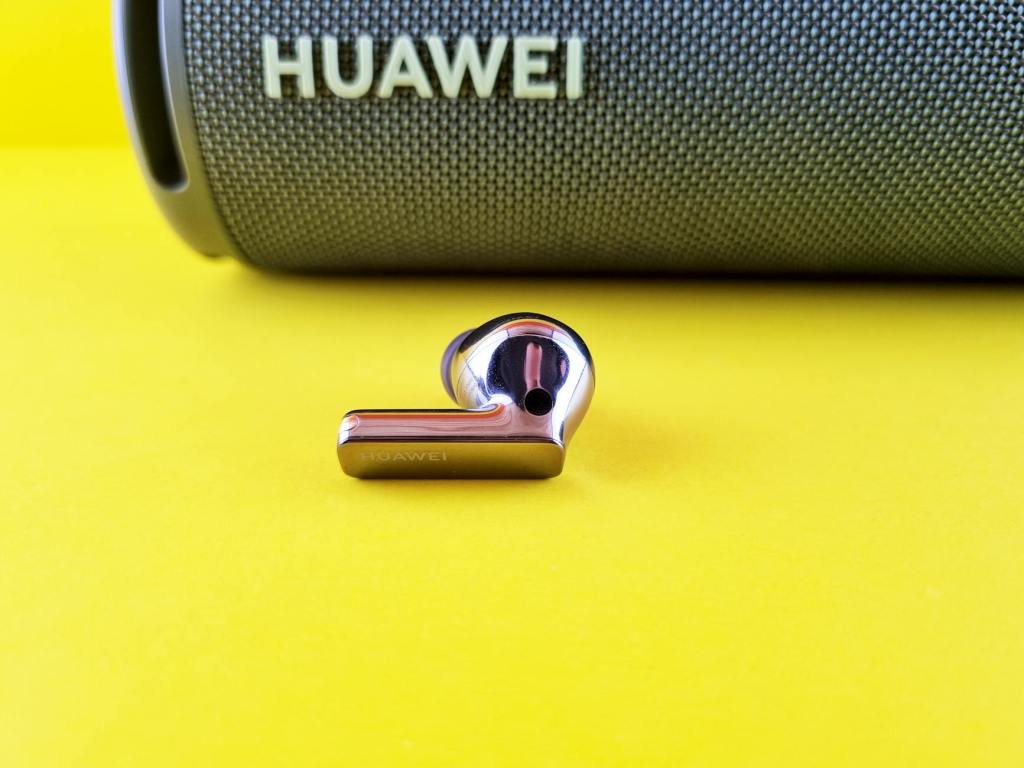
Huawei’s rapid AI infrastructure expansion isn’t happening in Atlanta’s data centers, but it’s reshaping the competitive landscape for every organization here trying to adopt automation affordably.
Global Tech Trend
Huawei has built a formidable AI ecosystem despite U.S. sanctions, developing proprietary chips, cloud platforms, and AI training infrastructure that rival American technology leaders. The company’s CloudMatrix 384 system delivers 300 petaflops of computing power—outpacing Nvidia’s competing platform—while its Pangu AI models target industrial applications like logistics, finance, and manufacturing rather than consumer chatbots.
What makes this particularly significant is Huawei’s focus on lowering barriers to AI adoption. The company’s open-source SINQ quantization method reduces AI model memory requirements by 60–70%, enabling deployment on consumer-grade hardware instead of expensive enterprise systems. This approach is driving down global AI infrastructure costs and accelerating adoption timelines worldwide.
Huawei is also expanding cloud data centers across Europe, the Middle East, Asia-Pacific, and Africa, creating a parallel AI infrastructure ecosystem that serves markets outside U.S. influence.
Business Impact
This trend matters for Atlanta organizations not because they’ll use Huawei directly—U.S. restrictions prevent that—but because Huawei’s infrastructure innovations are forcing American cloud providers to compete on price, performance, and accessibility.
As global AI infrastructure costs drop, the pressure increases on Atlanta’s small businesses, nonprofits, and creatives to adopt similar capabilities or risk falling behind competitors who can leverage AI for supply chain optimization, customer analytics, and workflow automation.
The challenge is real: Atlanta’s small business AI adoption dropped from 42% in 2024 to just 28% in 2025, driven by cost and complexity concerns. Meanwhile, the infrastructure arms race Huawei is driving means enterprise-grade AI systems are becoming more powerful but also more complex to implement.
Atlanta Insight
Metro Atlanta’s logistics companies face immediate competitive pressure. As Huawei-powered AI supply chain systems gain traction globally, Atlanta warehousing and distribution operations connected to the Port of Savannah must adopt comparable forecasting and inventory optimization tools to remain competitive.
Atlanta’s film production community is navigating similar dynamics. While local studios rely on AWS and Google Cloud for AI-assisted rendering and post-production, Huawei’s infrastructure investments are influencing global pricing and capability expectations. Independent filmmakers and smaller production companies need access to affordable, high-performance computing—a gap that local business support organizations haven’t fully addressed.
For Atlanta’s 47+ fintech companies, the infrastructure race means staying competitive on AI-driven fraud detection and customer analytics requires access to scalable, affordable cloud compute. Local accelerators and BSOs could play a crucial role by negotiating group rates or subsidized access for portfolio companies.
Atlanta nonprofits present perhaps the most urgent opportunity. Google.org’s recent $1 million investment in AI training signals growing sector awareness, but nonprofits need more than literacy—they need affordable access to pre-built AI tools for grant tracking, donor management, and program evaluation.
Automation Angle
The real automation opportunity for Atlanta organizations isn’t adopting Huawei technology—it’s leveraging the competitive pressure Huawei creates to access better, more affordable AI infrastructure from U.S. providers.
Practical applications include:
- Logistics workflow automation: AI-powered demand forecasting and inventory optimization can reduce manual planning work by 30–40% using existing AWS or Google Cloud tools
- Nonprofit operations: Automated grant tracking and donor relationship management can free 10–15 hours per week per staff member for mission-critical work
- Film production efficiency: AI-assisted shot planning and VFX asset management streamline post-production workflows without requiring expensive consultants
- Fintech analytics: Real-time fraud detection and customer segmentation improve service quality while reducing operational overhead
These aren’t theoretical benefits—they’re measurable capacity gains available through increasingly affordable cloud platforms.
Practical Takeaway
If you’re leading an Atlanta nonprofit, small business, or creative operation, now is the time to inventory your most time-consuming manual workflows. Identify one process—grant reporting, inventory tracking, customer follow-up, content scheduling—that consumes significant staff hours each week.
Research whether affordable, pre-built AI tools exist for that specific workflow. Many cloud providers now offer industry-specific solutions that don’t require custom development or enterprise contracts. Start with one small automation win that demonstrates measurable time savings, then build from there.
The infrastructure competition Huawei is driving globally means better tools at lower prices are becoming available. The question is whether Atlanta organizations will adopt them before the capability gap becomes insurmountable.
If you want support identifying practical automation opportunities inside your organization, Westside Data Solutions is here to help you move From Data To Direction.
 Westside Data Solutions LLC
Leave a comment